

Getting the Gladiator title in WoW means beating a fixed bar the ladder never makes easy: you need 2300 rating in 3v3 and 50 wins at or above that mark. The threshold is fixed, but holding it through fifty victories puts Gladiator out of reach for the vast majority of arena players, and it can’t be earned in Solo Shuffle at all. This guide answers the questions people actually ask about the title: whether Shuffle counts, what rating you really need, how hard the climb is in practice, and the tactics that separate players who stall at 2100 from the ones who finish the season with the mount.
 ⤢ Click to enlarge
Can You Get Gladiator in Solo Shuffle?
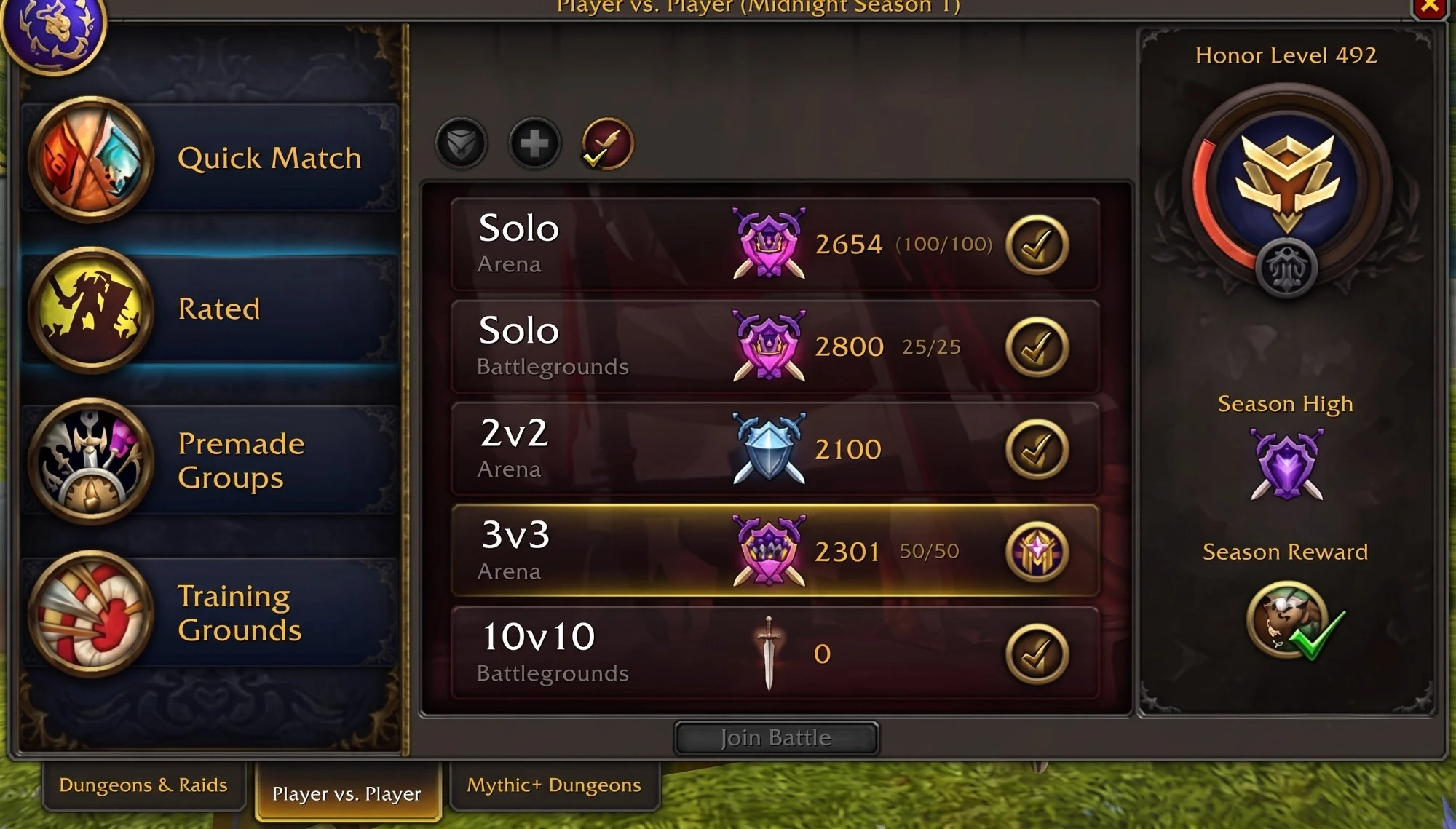
No. Gladiator is a 3v3 achievement, and Solo Shuffle progress does not count toward it. Solo Shuffle runs on its own rating with its own seasonal reward track, and its top prize is the Legend title, earned at 2300 rating with 100 round wins at that level, not Gladiator. However high you climb in Shuffle, the Gladiator title and the seasonal Gladiator mount stay locked behind the 3v3 bracket.
The confusion is understandable. Shuffle is where most players queue, the ratings look similar, and both titles sit at the prestige end of PvP. But Blizzard has kept the reward tracks separate on purpose: Gladiator has always been a test of playing a coordinated bracket at cutoff level, and Shuffle, with its rotating teammates, tests something different. If your goal is the Gladiator mount, every session in Shuffle is practice, not progress.
Can You Get the Gladiator Mount from Solo Shuffle?
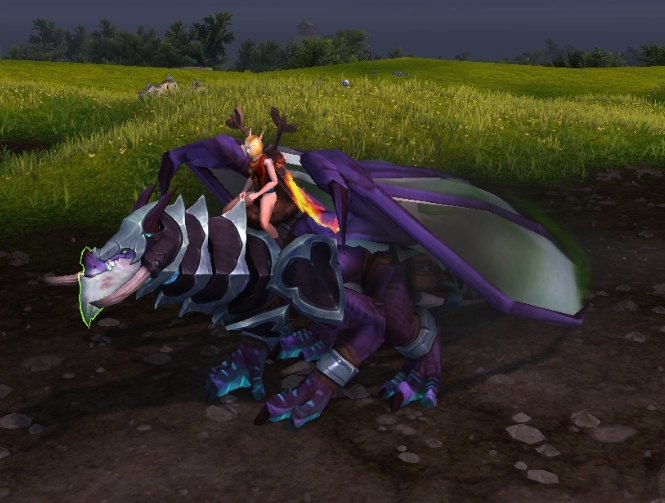
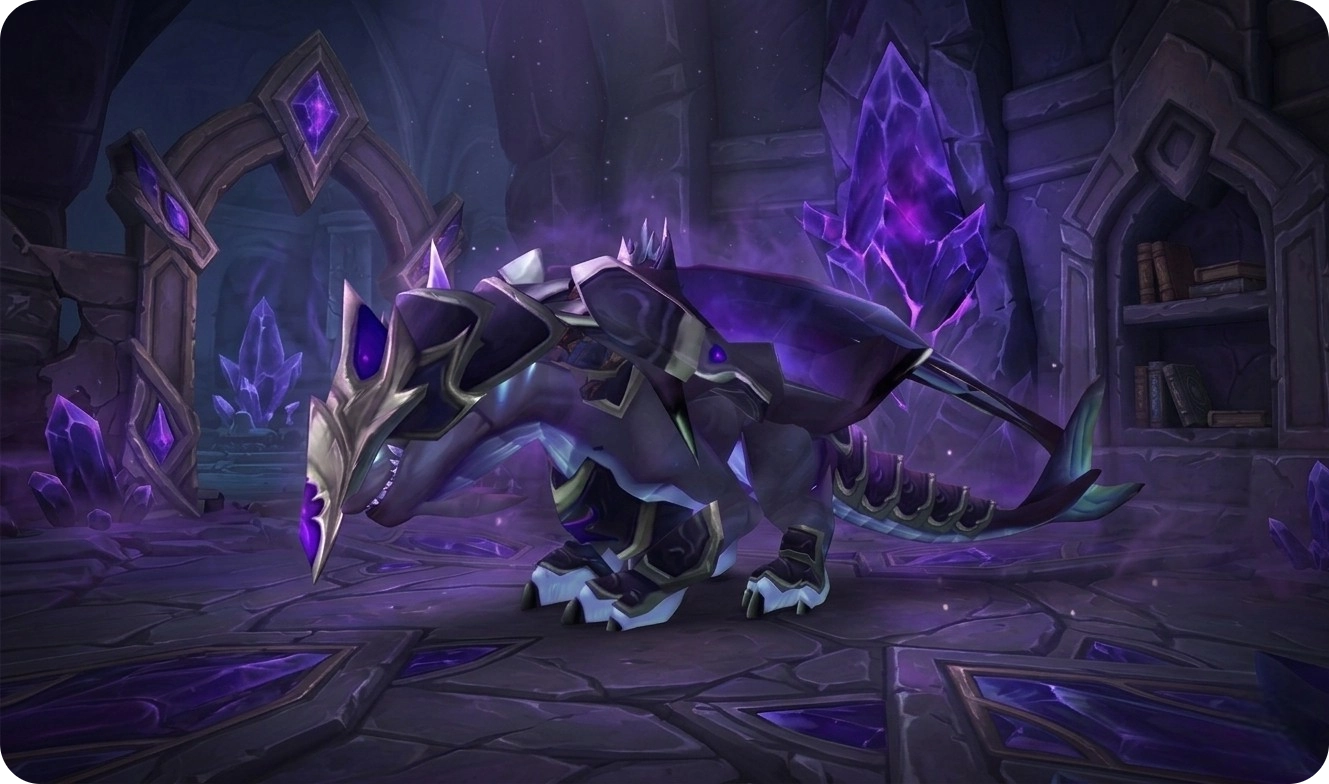
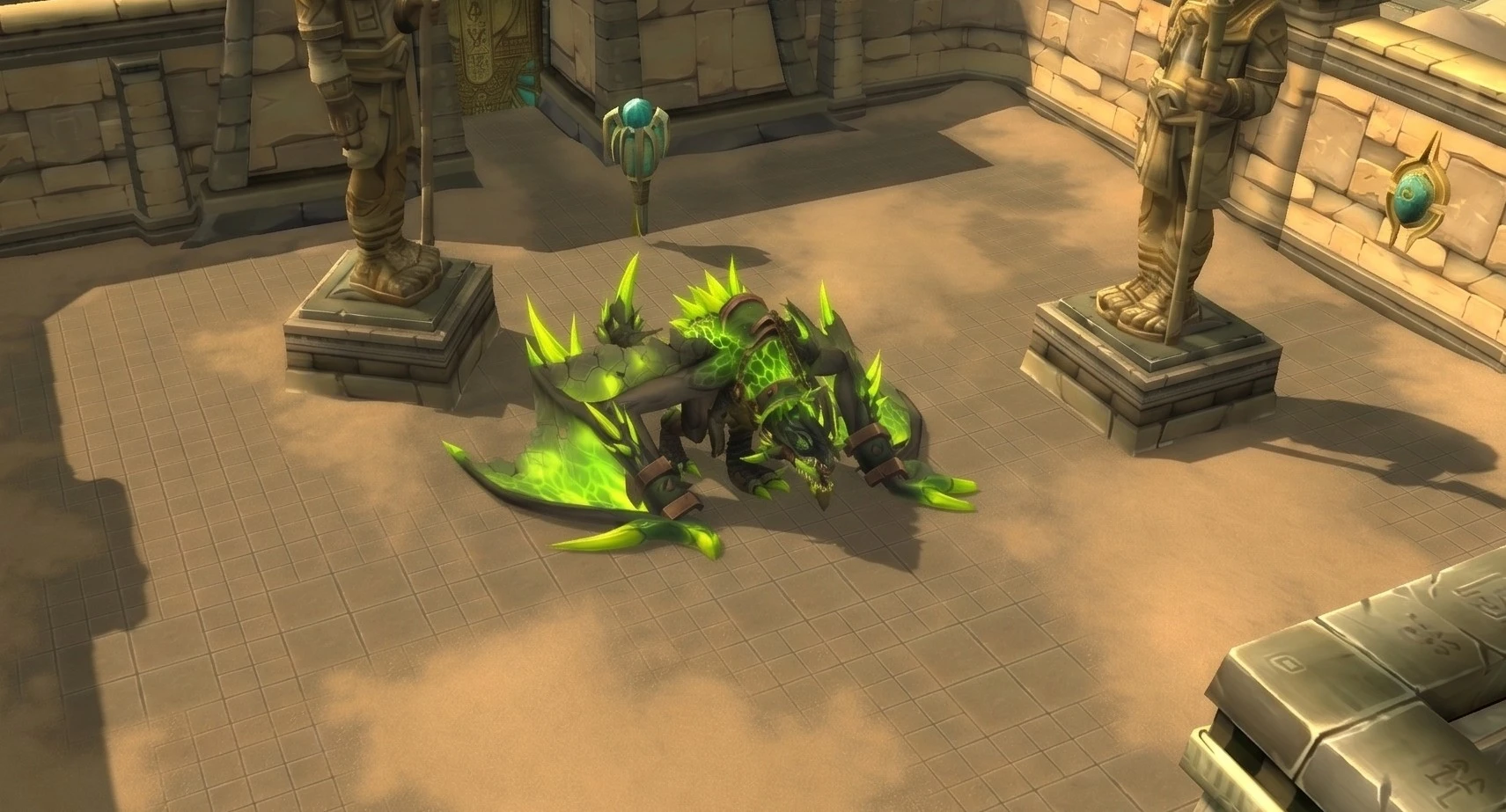
Also no. The seasonal Gladiator mount comes only from the Gladiator achievement itself, which means 50 wins above the cutoff in 3v3. Shuffle seasons award their own cosmetics and the Legend title line, but the mount everyone recognizes is exclusive to 3v3 Gladiators, which is a big part of why it carries the status it does.
 ⤢ Click to enlarge
What Rating Do You Need for Gladiator?
2300 rating in 3v3, plus 50 wins at or above it. The bar is fixed, and that is a deliberate design change: Gladiator used to go to the top 0.5% of the ladder each season, a moving percentile cutoff, until Blizzard replaced that system with the flat 2300-and-50-wins requirement. In practice the grind feels the same, holding a rating most of the ladder never touches through dozens of matches against opponents grinding for exactly the same thing.
This is the detail that makes Gladiator harder than any single number suggests. Reaching 2300 once is an achievement on its own. Staying there for 50 wins, while every loss threatens to knock you back under, is the real filter. Players describe the range just below 2300 as the most brutal stretch of ladder in the game, because it concentrates everyone fighting for the same title.
 ⤢ Click to enlarge
How Hard Is It Really?
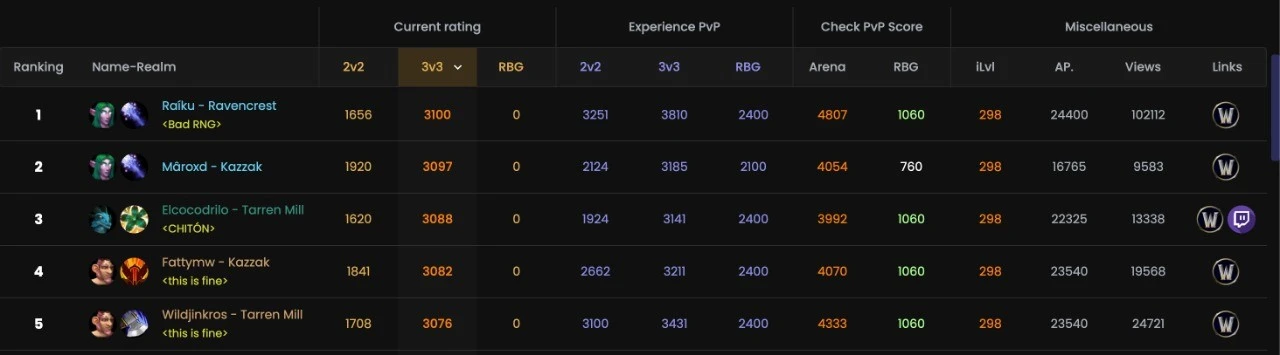
Brutally hard, even with a fixed bar. For every player riding the seasonal mount, hundreds queued arena that season and never touched 2300. The wall is rarely mechanical skill alone. It is the combination of a stable team, a meta-viable comp, enough games to hit 50 wins, and the discipline to keep queueing through loss streaks late in the season.
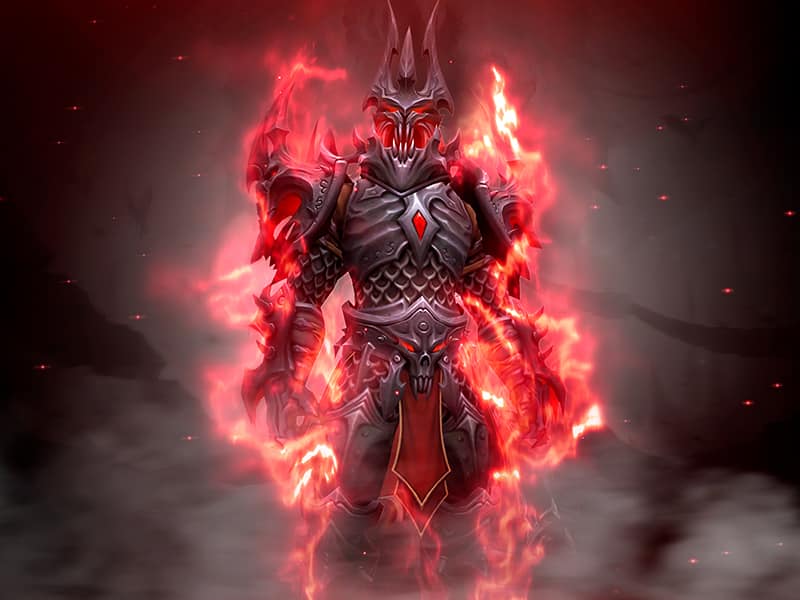
Above Gladiator sits one more tier: Rank 1, awarded to the top 0.1% of the ladder, the only place where the old percentile system survives. R1 exists in both brackets, Rank 1 Gladiator in 3v3 and Rank 1 Legend in Solo Shuffle, and those permanent titles are a different sport entirely — one our WoW Rank 1 PvP Boost covers in both ladders.
That is also why the title has held its prestige for two decades while most rewards inflated: 2300 sits where only a serious 3v3 player can hold it, so the title can’t be outgeared or outleveled, only outplayed.
How to Actually Climb: Tactics That Work
Everything below comes from the grind itself, the habits that separate players who stall at 2100 from the ones who finish seasons with the title.
Build the Right Team, Not the Comfortable One
- Friends are not automatically teammates. Playing with people you like is great until it caps your rating. If a friend is the reason you keep losing the same way, keep the friendship and change the roster.
- Pick partners who widen your comp options. Inviting a player whose class locks you into one fringe composition shrinks your pool of viable teammates and strategies. Flexibility compounds as you climb.
- Cut unproductive players early. Someone who tilts, blames or no-shows costs you more than the games they lose. Recognizing the red flags fast keeps the climb moving.
Work the LFG Scene Properly
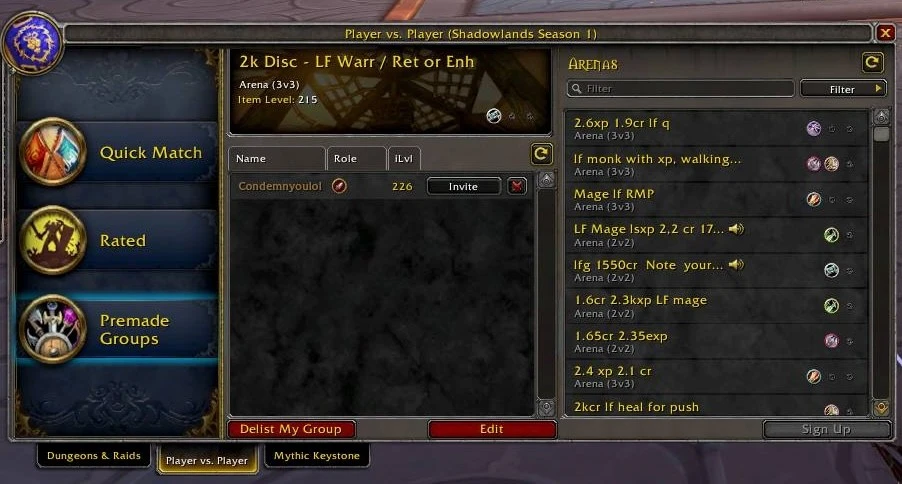
- Visibility wins partners. The players you want to queue with need to be able to find you. Sitting invisible in Shuffle queues instead of posting in LFG is how strong players stay teamless.
- Write a specific ad. State your current rating, your experience and the minimum rating you are looking for. Strict criteria filter out mismatches before they cost you an evening.
- Hold your standards under pressure. A Rank 1 name in your group is worth nothing if the fit is wrong. Compatibility beats prestige every time the gates open.
 ⤢ Click to enlarge
Use Alts Strategically
- Main for the push. One character carries the serious cutoff climb, with your best comp and full focus.
- Alt for practice below your bracket. A second character slightly under your main’s rating is where you drill matchups without risking cutoff points.
- A third for playing loose. Casual games with friends live here, so the fun never leaks rating from the character that matters.
Review Your Own Games
The fastest climbers share one habit: after a loss, they look at their own play first. Blaming teammates feels better and teaches nothing. Spotting your own positioning error, wasted cooldown or missed swap is worth more than any guide, because it compounds every session. Make the review a routine, not a reaction to tilt.
The Faster Routes to the Title
For players who want the title and mount without giving a season to the grind, there are two honest shortcuts, each with real trade-offs.
Self-Play Gladiator Boost
You play your own character alongside professional Gladiator-level teammates who coach you through the climb. Your skill grows with every session, no account access is needed, and the schedule bends around yours. The trade-off: it costs money, and the market has unskilled sellers posing as pros, so the team behind the service matters more than the price tag. Our Self-Play Gladiator Boost runs with verified multi-Gladiator players.
Piloted Gladiator Boost
Experienced players take the character through the climb for you, which suits tight schedules and pure collectors. The trade-offs are real and worth stating plainly: piloted runs require account sharing, which carries a ban risk that no seller can honestly reduce to zero, and the title lands without the story of earning it yourself. The Gladiator Achievement Boost covers the full title and mount run in this format.
The Short Version
Gladiator stays hard because it is designed to be: a moving cutoff, 50 wins above it, 3v3 only, no Shuffle shortcut. The climb rewards ruthless team-building, an honest review habit and steady nerves more than raw mechanics. Sharpen your comp knowledge with our WoW PvP tier list, drill the fundamentals from the arena guide, and whichever route you take to the title, know exactly what it asks of you before the season clock starts running out.