TBC Anniversary Season 2 Arena 2v2 Comps Breakdown
Rolling into a new arena season with outdated strategies is a fast track to tanking your MMR. In the experience of gamers, trying to force the same fragile setups from Season 1 without adapting to gear scaling is a death sentence. Based on actual practice, the massive stamina and armor buffs coming into Season 2 are completely shifting the meta away from burst-heavy double DPS and heavily favoring durable, high-regen setups. Double DPS combinations are noticeably falling off. You need to know which classes have the passive strength to carry you through sweaty queue sessions and which ones have been knocked down a peg.
A professional Service Provider can help players reach Arena goals significantly faster via WoW TBC PvP Boost Services – the boosters are offering coaching, team-building advice, and rating assistance. For players with limited playtime, experienced Arena specialists can help optimize gearing, improve matchup knowledge, and avoid common mistakes that often stall rating progress.
The rankings below prioritize overall ladder strength and consistency rather than absolute Rank 1 potential. Some comps can perform miracles in the hands of elite players, but this guide focuses on what works best for the average serious Arena player.
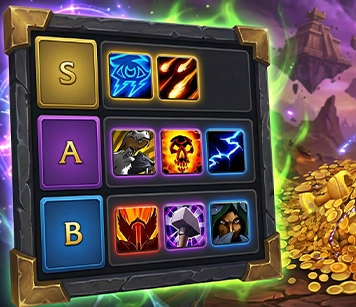
TBC Anniversary Season 2 Arena 2v2 Tier List
This is the definitive ranking based on overall comp strength for the average player. These are the safest Gladiator-level picks available in TBC Anniversary Arena. They possess strong matchups across most of the ladder and have very few truly unwinnable encounters.
Discipline Priest / Subtlety Rogue (S-Tier)
Priest Rogue takes over the number one position in Anniversary Season 2. While Mage Rogue remains terrifying, additional resilience and stronger defensive stats favor Priest Rogue’s playstyle. The composition combines elite crowd control, excellent survivability, Mana Burn pressure, and reliable burst damage into one complete package.
Unlike many double DPS teams, Priest Rogue does not depend entirely on securing an opener kill. If the first setup fails, the team can comfortably transition into a control game, draining mana, forcing cooldowns, and preparing another kill attempt.
The bump in passive armor makes the Priest significantly tankier against aggressive openers, entirely overtaking Mage/Rogue at the top of the ladder. You get an incredibly forgiving setup where the Rogue can secure a raw Kidney Shot while the Priest goes offensive. The synergy is absurd.
Why Disc / Rog Is S-Tier
The composition simply lacks major weaknesses. Every matchup feels playable, and many opponents struggle to survive repeated crowd control chains combined with Rogue pressure.
Strengths
- Exceptional crowd control
- Multiple win conditions
- Strong burst damage
- Excellent survivability
- Great matchup spread
- Scales extremely well with player skill
Weaknesses
- Requires strong coordination
- Rogue mistakes are punished heavily
- Crowd control overlap can cost games
Difficulty Rating: 8/10
Tips & Tricks: From what you can see in-game, you can completely break incoming crowd control by timing a perfectly struck Shadow Word: Death against incoming spells.

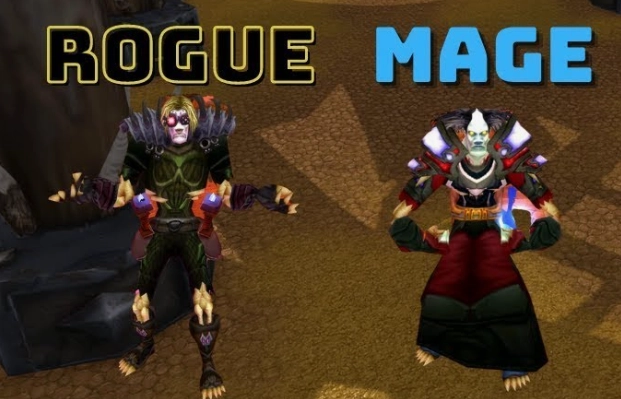
Frost Mage / Subtlety Rogue (S-Tier)
Mage Rogue remains one of the most explosive teams ever created in TBC Arena. This combo drops just a fraction of a percent in dominance. It is maybe five percent weaker than its Season 1 peak purely because double DPS burst gets checked by the new resilience scaling. Still, it remains extremely potent.
The formula remains simple: crowd control one target while eliminating the other before they have time to react.
A huge reason why Mage Rogue stays in S Tier is accessibility. While the composition has an extremely high skill ceiling, it also performs remarkably well in the hands of average players. Many games can be decided through clean openers alone.
The combination of Polymorph, Sap, Blind, Kidney Shot, Counterspell, and burst damage creates pressure that few teams can comfortably handle.
Strengths
- Massive burst damage
- Incredible crowd control chains
- Strong opener potential
- Fast games
- Excellent ladder climbing speed
Weaknesses
- More affected by resilience scaling
- Less forgiving against tankier targets
- Vulnerable if momentum is lost
Difficulty Rating: 7/10
Tips & Tricks: Landing a clean Polymorph off a rogue’s Blind + Sap gives you free wins. Do not overlap your diminishing returns.
Resto Druid / Subtlety Rogue (S-Tier)
Druid Rogue remains one of the highest skill-cap compositions in TBC. Sitting comfortably in third place for the S-Tier. At first glance, many players underestimate it because the burst is less obvious than Mage Rogue or Priest Rogue. However, experienced Arena players know exactly how dangerous this composition becomes when played correctly.
The Druid is scaling heavily, and their mana regeneration allows this team to recover from brutal mistakes. As the season progresses, this comp only gets stronger. It requires the Rogue to know exactly when to peel and drop combat.
Strengths
- Elite mobility
- Strong resets
- Excellent mana longevity
- Amazing scaling
- Difficult to pin down
Weaknesses
- Very high skill requirement
- Mistakes are heavily punished
- Requires excellent communication
Difficulty Rating: 9/10
Tips & Tricks: Stack Lifebloom on your partner and let the dampening game run its course. Play the long game.
Discipline Priest / Affliction Warlock (A-Tier)
This setup is the biggest winner of the new season in TBC Anniversary, skyrocketing up the ranks. Double DPS comps are desperately struggling to chew through the Priest’s updated armor values. Priest Warlock becomes increasingly difficult to defeat. The combination of DoT pressure, Mana Burn, and survivability makes this one of the strongest attrition-based teams in the game.
Pros: Passively shuts down mediocre teams effortlessly. Massive sustained pressure.
Cons: Struggles slightly against Druid/Warrior brawls.
Tips & Tricks: Blanket the enemy in Corruption and Siphon Life before engaging in pillar humping.
If you’re also interested in the PVE content of the WoW TBC Anniversary, we recommend reading another actual guide – TBC Raids, Loot & Attunements.
Resto Druid / Affliction Warlock (A-Tier)
If you hate fast games, play this. It is the most dampening-heavy comp in the entire bracket. The passive strength is slightly higher than Priest/Lock, but it demands far more execution. Less people play it because matches drag on forever, but the rating push is essentially guaranteed.
Pros: The ultimate outlast comp. Almost zero hard counters.
Cons: Games take twenty minutes. Requires a massive brain for crowd control.
Tips & Tricks: Master your Cyclone diminishing returns and coordinate them tightly with your Warlock’s Fear setups and roots.
Discipline Priest / Frost Mage (A-Tier)
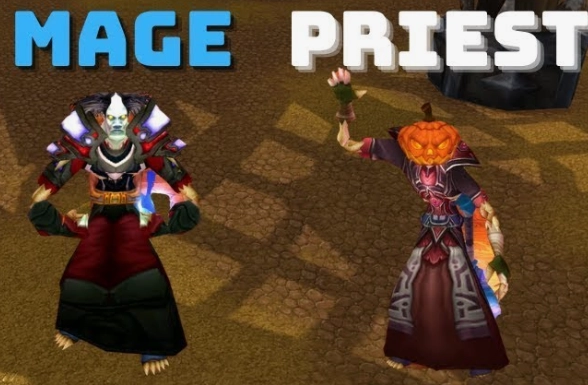
Priest Mage benefits heavily from Season 2’s slower pace. Increased resilience makes it easier for Priests to survive enemy bursts, allowing the composition to play longer control-oriented games. The synergy between a fat Power Word: Shield and Mage control is sickening. It farms the ladder efficiently but faces a steep roadblock.
Pros: High burst potential. Great defensive peeling.
Cons: Miserable matchups against the increasing population of Warlock teams.
Tips & Tricks: Keep the enemy healer locked down with counterspells and fears while shattering the DPS.
Resto Druid / Arms Warrior (A-Tier)
A durable, gritty brawl comp that handles a massive chunk of the ladder effortlessly. It is not S-tier strictly because setups like Priest/Rogue can completely out-maneuver it. Still, you have a solid win condition against almost anything.
Warrior pressure combined with Druid mobility creates a durable setup that rarely feels weak. Additional survivability allows both players to survive aggressive openers more consistently, while Hunter pressure remains highly effective against many popular ladder teams.
While not as dominant as later TBC seasons, it remains one of the safest melee-healer combinations available.
Pros: Extremely durable. Heavy sustained damage.
Cons: Susceptible to offensive dispels and heavy crowd control chains.
Tips & Tricks: Keep the pressure up with constant application of Mortal Strike.
Discipline Priest / Survival Hunter (B-Tier)
Coming up ever so slightly in Season 2. The Priest is tankier now, which helps the Hunter survive aggressive swaps. You drain mana while hiding behind pillars. Very punishing if you mess up, but highly rewarding if executed perfectly.
Pros: Unmatched mana drain mechanics. High utility.
Cons: Extremely unforgiving if you miss a trap.
Tips & Tricks: Bleed the enemy healer dry with Viper Sting and lock them in a Freezing Trap.

Resto Druid / Survival Hunter (B-Tier)
One of the most underrated compositions in the entire bracket. Similar to its Priest counterpart, this comp moves up slightly in Season 2. The Hunter secures traps easily, forcing the enemy healer to burn mana. It is a solid B-tier pick, kept heavily in check by the growing Warlock population.
Pros: Excellent kiting potential. Great against melee cleaves.
Cons: Folds under heavy Warlock pressure.
Tips & Tricks: Coordinate traps off of cyclone clones for massive crowd control chains.
Shadow Priest / Sub Rogue (B-tier)
A dangerous double DPS composition capable of ending games quickly.
The problem is consistency. Against experienced opponents, surviving long enough to create repeated kill opportunities becomes difficult.
Strengths
- Huge burst damage
- Strong offensive pressure
Weaknesses
- Matchup dependent
- Vulnerable to defensive teams
Difficulty Rating: 7/10
Retribution Paladin / Resto Shaman (B-Tier)
One of the most explosive compositions in the 2×2 bracket of WoW TBC Anniversary. The ultimate wildcard. In Season 1, Ret Paladins abused a mechanic where some holy damage completely bypassed resilience, leading to absurd one-shots. Assuming Blizzard fixes that resilience bug in Season 2, this comp drops straight to B-tier.
Pros: Hilarious burst windows. Good offensive utility.
Cons: Relies heavily on RNG to secure kills.
Tips & Tricks: Bait out defensive cooldowns before committing to your Windfury Totem burst phase.
Subtlety Rogue / Affliction Warlock (B-Tier)
Warlock Rogue remains one of the strongest offensive compositions available. A momentum-based setup. You dot everything up, get a clean Sap, and lock them down. It gets slightly weaker this season because survival stats are up, meaning your cheesy openers won’t score instant kills as often.
Pros: Destroys uncoordinated teams fast.
Cons: Falls apart quickly if the initial momentum is stalled.
Tips & Tricks: Maximize your opener. If you don’t get a massive advantage in the first twenty seconds, reset immediately.
Feral Druid / Subtlety Rogue (B-Tier)
Often overrated by players who watch Rank 1 streamers. The truth? This comp leaves zero room for error. If you mess up your opener, you lose. It does not have the script-like free wins of Mage/Rogue, dropping it into the lower brackets for the average Joe.
Don’t underestimate builds featuring double DPS stealth cleave, as top players achieved very high rankings in 2v2 TBC Anniversary, even reaching Rank 1. So you should understand that this 2v2 PvP Arena tier list is designed to help you grasp the meta and identify which compositions make it easiest to reach R1; this does not mean that Arena compositions ranked below the S and A tiers are unplayable or incapable of earning the Gladiator title.
Pros: Incredible burst. Great stealth mobility.
Cons: Glass cannon. Punishes mistakes severely.
Tips & Tricks: Cross-crowd control is mandatory. Do not overlap your stuns.
Holy Paladin / Arms Warrior (C/D-Tier)
Unfortunately, Paladin Warrior remains one of the weakest serious Arena choices entering Season 2. You might see a slight resurgence in Season 3 or 4 with heavy scaling, but for Season 2, it struggles against virtually everything. Leave it in the bin.
Pros: Plate armor makes you tough against double melee.
Cons: Zero offensive pressure. Easily crowd-controlled.
Tips & Tricks: Just reroll a Druid. Seriously, do not play this unless you enjoy suffering.
Season 2 Arena 2v2 Tier List Summary Table
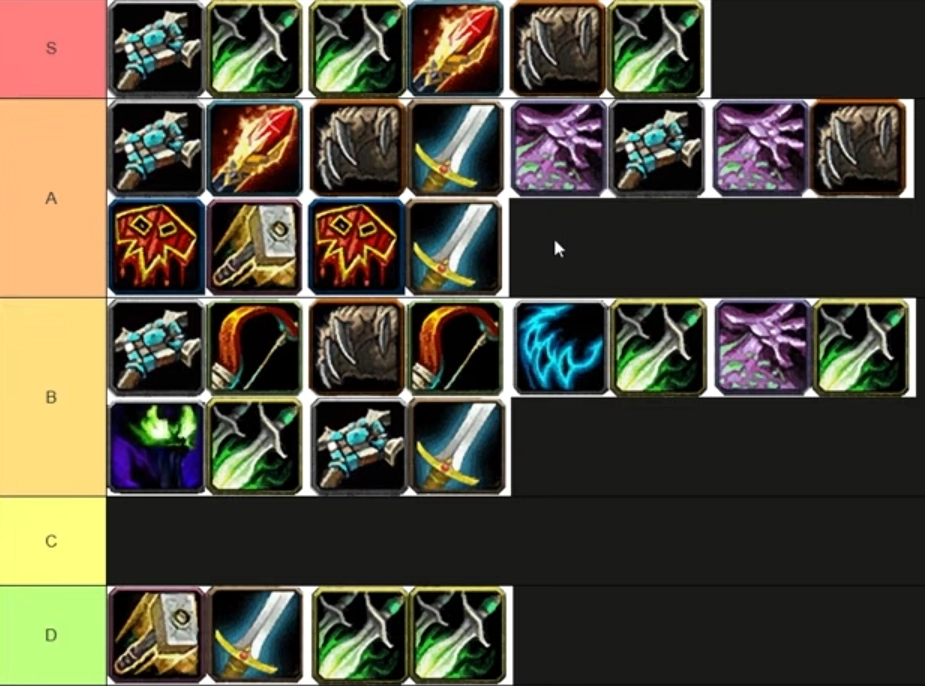
| Tier | Comp Setup | Meta Shift Notes |
| S-Tier | Priest/Rogue, Mage/Rogue, Druid/Rogue | Priest/Rogue overtakes the top spot. Armor scaling makes healers drastically harder to kill in the opener. |
| A-Tier | Priest/Lock, Druid/Lock, Priest/Mage, Druid/Warrior | Priest/Lock shoots up in viability. Warlock rot comps dominate as games slow down. |
| High B-Tier | Priest/Hunter, Druid/Hunter | Coming up slightly. Very solid if played perfectly, but struggles against the heavy Warlock meta. |
| Low B-Tier | Ret/Shaman, Rogue/Lock, Feral/Rogue, SP/Rogue | Wildcard setups. Rogue/Lock and Feral/Rogue fall off slightly due to higher passive survivability of targets. |
| C/D-Tier | Paladin/Warrior | Still completely bricked. Avoid playing this until much later seasons. |